
 Facebook
 X
X
 Pinterest
 Copy Link
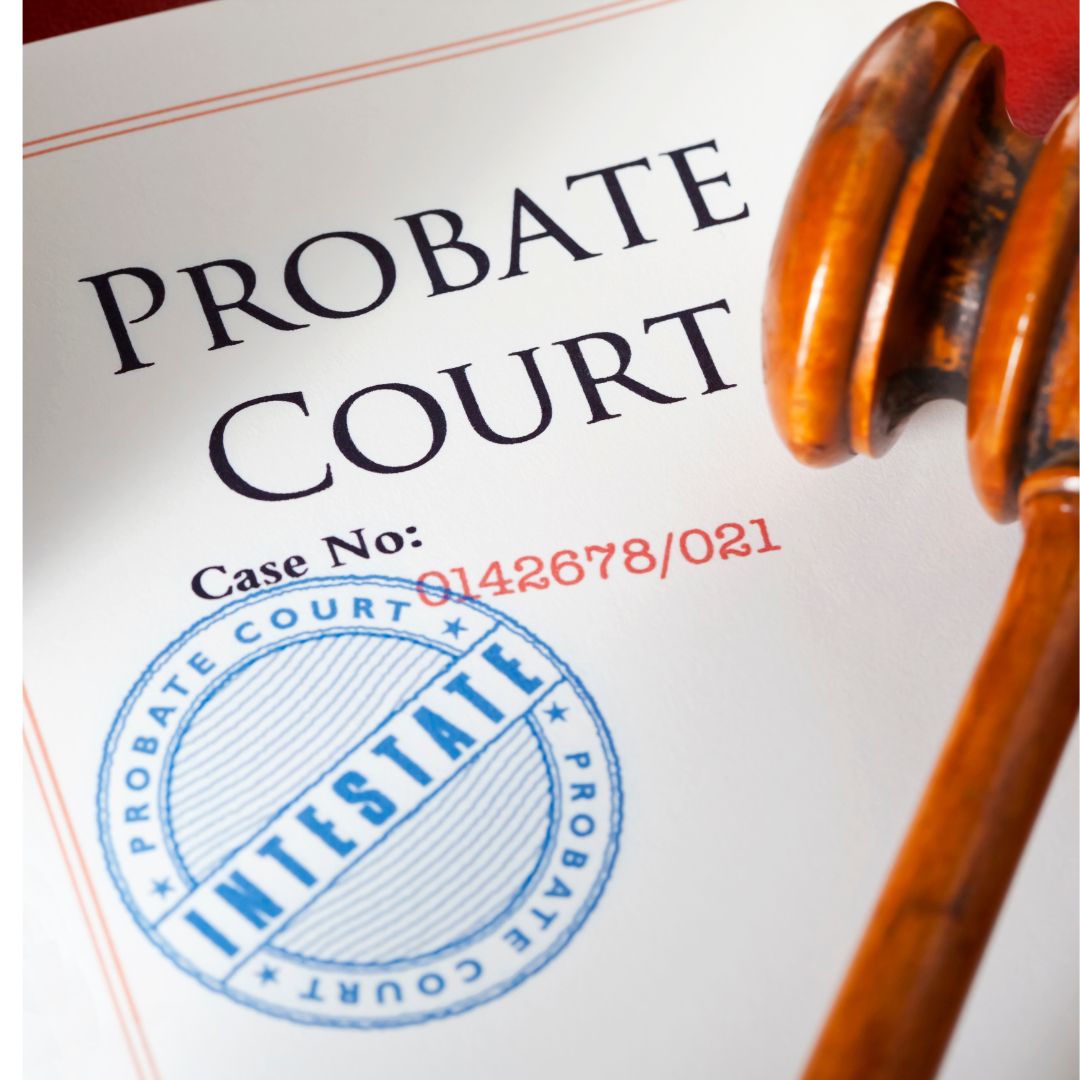
5 Things Every Florida Heir Should Know Before Selling an Inherited Property
Inheriting a home can be both an emotional experience and a significant responsibility. Whether you are serving as the Personal Representative of an estate or are one of the beneficiaries, understanding the probate process can help you avoid costly mistakes and make informed decisions.
Here are five important things Florida heirs should know before selling an inherited property.
1. Probate May Be Required Before the Property Can Be Sold
If the property was owned solely in the deceased person’s name and no probate-avoidance planning was in place, a probate proceeding is typically required before the property can be transferred or sold.
Depending on the circumstances, the estate may qualify for Summary Administration, a simplified probate process, or Formal Administration, which is more comprehensive. An experienced probate attorney can determine which process applies and guide you through the necessary steps.
Before marketing the property, it is important to confirm who has the legal authority to sell and what documentation may be required.
2. Inherited Property Often Receives a “Step-Up” in Tax Basis
One of the most valuable financial benefits of inheriting real estate is the potential step-up in tax basis.
In many cases, the property’s tax basis is adjusted to its fair market value as of the date of death rather than the original purchase price. As a result, heirs who sell the property shortly after inheriting it may have little or no capital gains tax liability.
Because every tax situation is different, heirs should consult with a qualified CPA or tax advisor regarding their specific circumstances.
3. Holding Costs Continue Even When the Home Is Vacant
Many families underestimate the cost of holding an inherited property.
Property taxes, homeowners’ insurance, HOA or condominium fees, utilities, lawn care, maintenance, and repairs continue to accrue while the property remains in the estate. In South Florida, these expenses can add up quickly and significantly reduce the estate’s net proceeds.
Understanding these carrying costs can help heirs make informed decisions about timing and property management.
4. The Property Does Not Have to Be Perfect to Sell
Many heirs believe they must renovate or update an inherited property before placing it on the market. In reality, that is often unnecessary.
Many buyers in South Florida actively seek homes they can renovate themselves and are willing to purchase properties in as-is condition. Depending on the property and market conditions, selling as-is may save time, reduce stress, and avoid the expense of managing repairs or contractors.
It is also wise to order a title search early in the process to identify any liens, judgments, or ownership issues that could affect the sale.
5. Working With a Probate-Specialized Realtor Can Help Avoid Delays
Probate-related sales often involve additional documentation, coordination with attorneys, multiple heirs, court requirements, and unique timelines.
A real estate professional familiar with probate transactions can help coordinate communication among all parties, monitor important deadlines, and guide the sale from listing through closing.
The goal is not only to sell the property, but also to help the family navigate a complex process as smoothly and efficiently as possible.
Final Thoughts
Every probate estate is unique. The sooner heirs understand their options and assemble the right team of professionals, the easier the process tends to be.
If you have inherited a property in South Florida and would like guidance regarding its value, marketability, or next steps, I would be happy to help coordinate the real estate side of the process and work alongside your probate attorney.

