
 Facebook
 X
X
 Pinterest
 Copy Link
Miami continues to attract investors for one simple reason: the market offers a wide range of opportunities across different price points and neighborhoods. With a budget of around $450,000, buyers still have options, but success depends on choosing the right area based on your goals. Whether you want stronger cash flow, long-term appreciation, or a balanced approach, Miami has neighborhoods worth exploring.
North Miami: A Strong All-Around Choice
For investors looking for balance, North Miami is one of the strongest options. The area offers a combination of relative affordability, steady rental demand, and convenient access to central Miami. That mix makes it appealing for buyers who want both monthly income and future upside.
North Miami can work well for investors who prefer a more stable strategy. It is not the flashiest market, but it often provides better value than more expensive parts of the city. For many buyers, that makes it a smart starting point.
Miami Gardens and Hialeah: Better for Cash Flow
If your main goal is cash flow, Miami Gardens is often one of the better places to look. At this price point, you can still find single-family homes that may work well as long-term rentals. The area also tends to attract a broad tenant base, which can help reduce vacancy risk.
Hialeah is another practical choice for investors focused on consistent rental income. It often offers lower entry prices and strong rental demand, which can make it attractive for buyers who care more about monthly performance than rapid appreciation. Both areas are worth considering if you want a more income-oriented investment.
Little River, Little Haiti, and Allapattah: More Upside Potential
For investors who are comfortable taking a longer view, Little River and Little Haiti may offer stronger appreciation potential. These neighborhoods have seen growing redevelopment interest and increased attention from buyers and investors. That momentum can create opportunities for those willing to hold the property and wait for value growth.
Allapattah also fits this category. It is a little more speculative, but it can offer upside if you buy carefully and in the right location. Investors who prioritize future growth over immediate returns may find these neighborhoods especially interesting.
Duplex Opportunities Under $450,000
If you are looking for a duplex, the options become more limited, but they do exist. North Miami and Hialeah are among the stronger areas to explore for this type of property. These neighborhoods may offer better odds of finding an income-producing property within budget compared with more central or coastal areas.
That said, duplex opportunities in Miami are competitive, especially at this price point. Buyers may need to act quickly, evaluate the condition carefully, and be realistic about renovation costs. In many cases, the best deals are older properties with value-add potential.
Considering New Construction
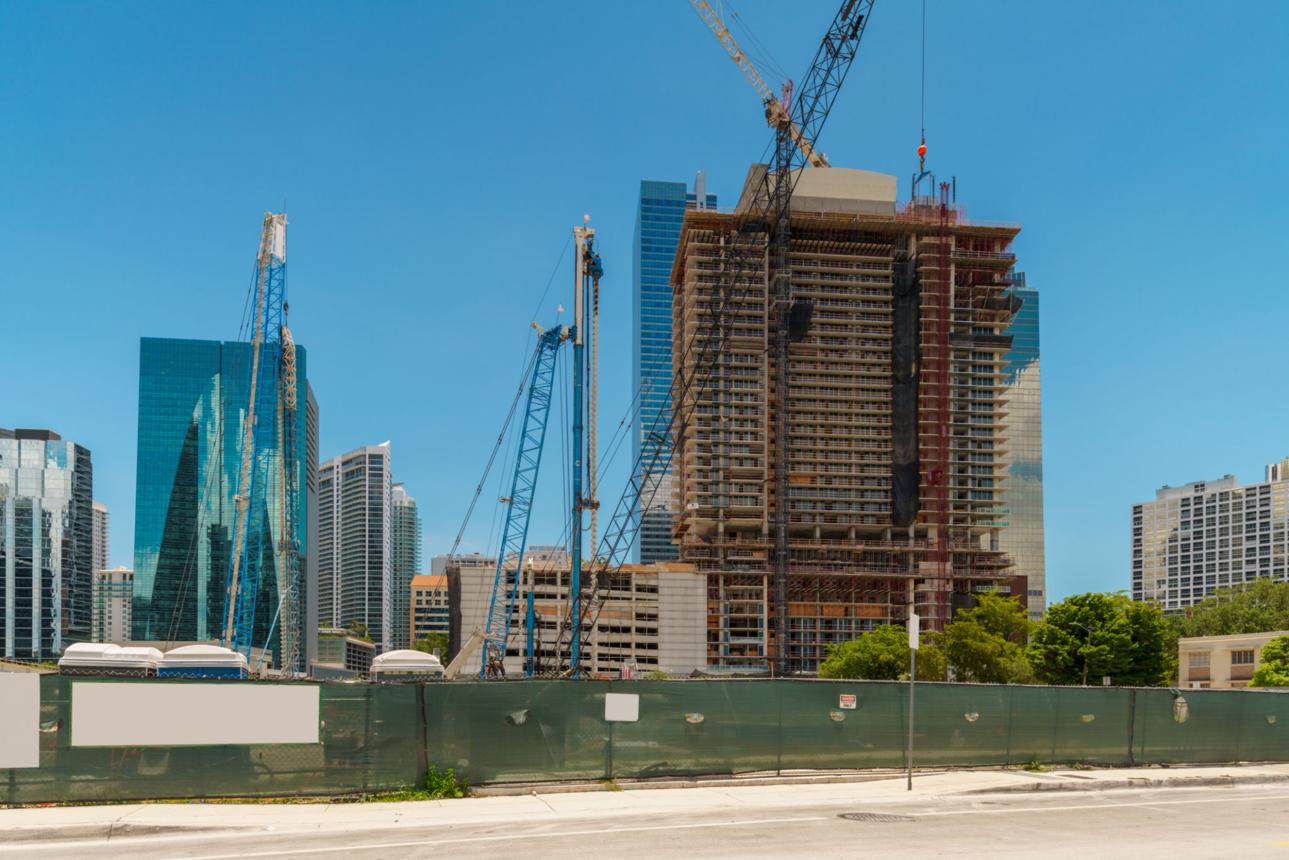
Some investors also explore new construction in Miami as a strategic way to enter the market. In many pre-construction developments, buyers can secure a residence with deposits paid in phases during construction, often totaling around 30% to 40%, with the remaining balance due at closing.
This structure allows investors to:
-
Lock in today’s pre-construction pricing.
-
Potentially benefit from appreciation during the construction phase.
-
Spread out capital deployment instead of committing the full purchase upfront.
For example, a $450,000 budget can sometimes serve as the deposit on a higher-priced pre-construction property, giving buyers access to developments in desirable areas such as Brickell, North Bay Village, and Coral Gables.
Final Thoughts
If you are investing in Miami with about $450,000, your best option depends on your strategy. For balance, North Miami stands out as a strong all-around choice. For stronger cash flow, Miami Gardens and Hialeah are worth a close look. For appreciation potential, Little River, Little Haiti, and Allapattah may offer more upside over time.
The key is to match the neighborhood to the investment goal. A property that looks affordable on paper is not always the best deal if it does not align with your rental strategy, timeline, or risk tolerance. In Miami, that distinction matters.

